Week1
1. Enquiry Development
In my previous work, I was interested in how language changes through error, mistranslation, and small shifts in meaning. I looked at how mistakes can still produce understanding, and how meaning can move instead of breaking.
In this project, I continue this enquiry, but in a different context. Instead of everyday mistakes, I focus on Amazon product titles, where language is shaped by algorithms and optimisation.
This shifts my enquiry from error as movement to language as a system influenced by technology and commerce.
2. What I noticed
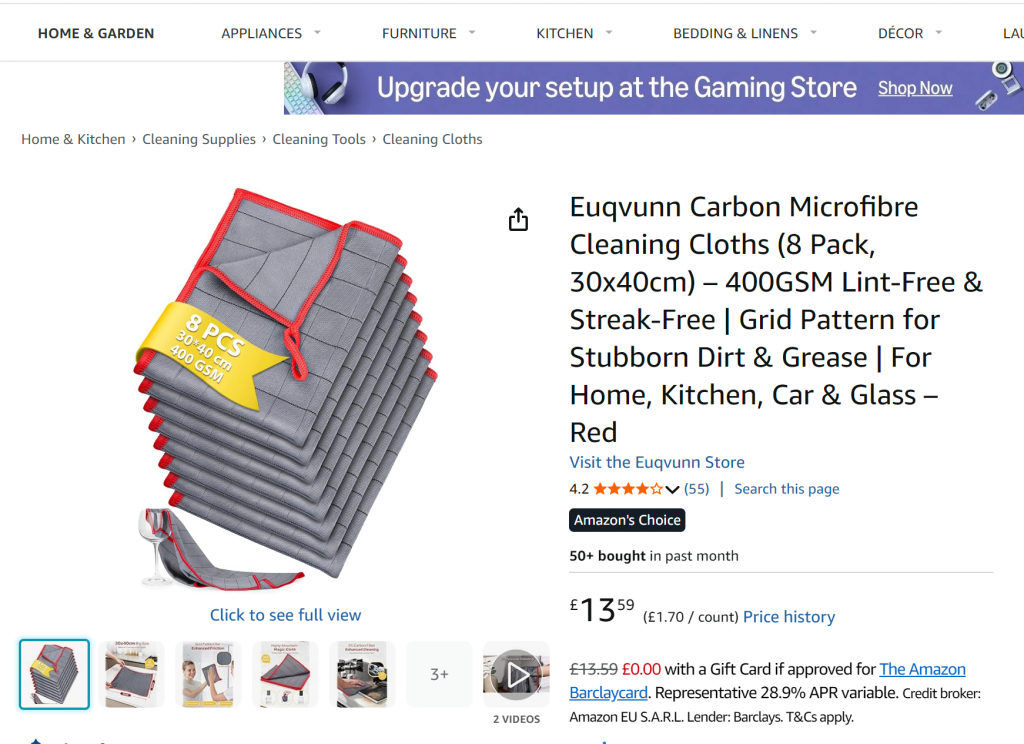
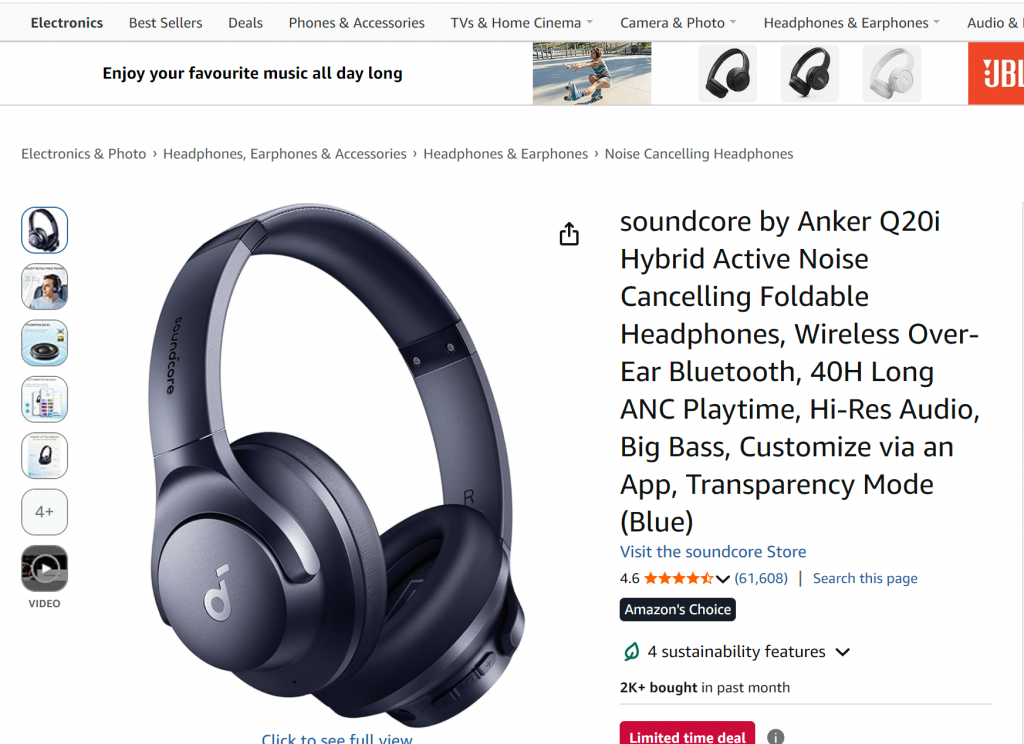
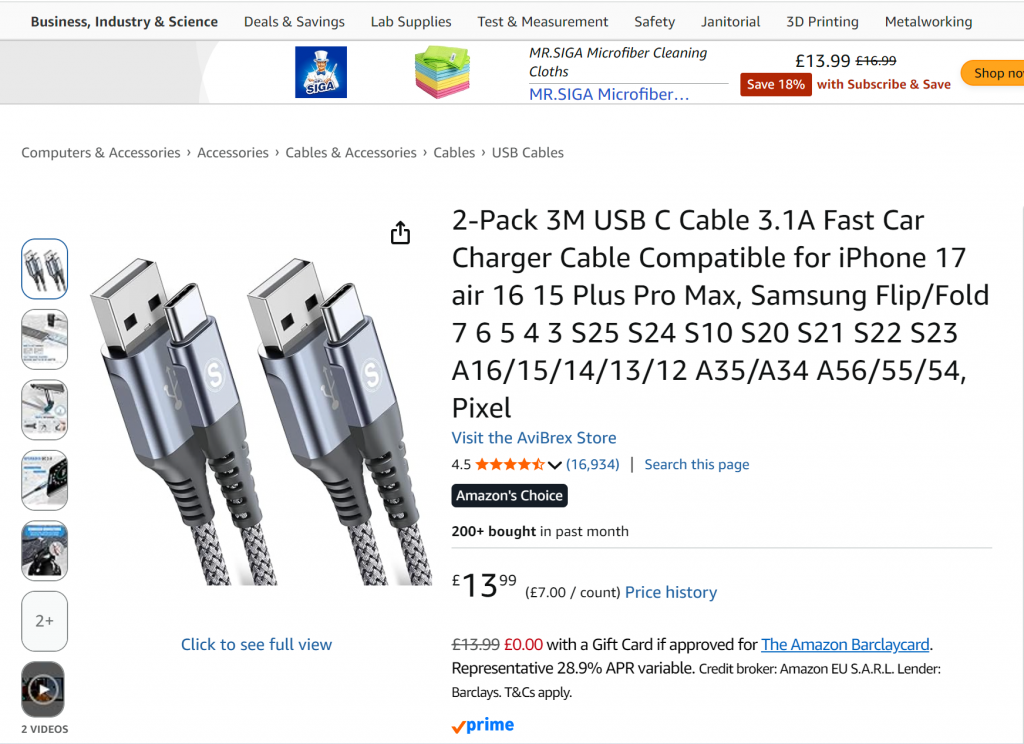
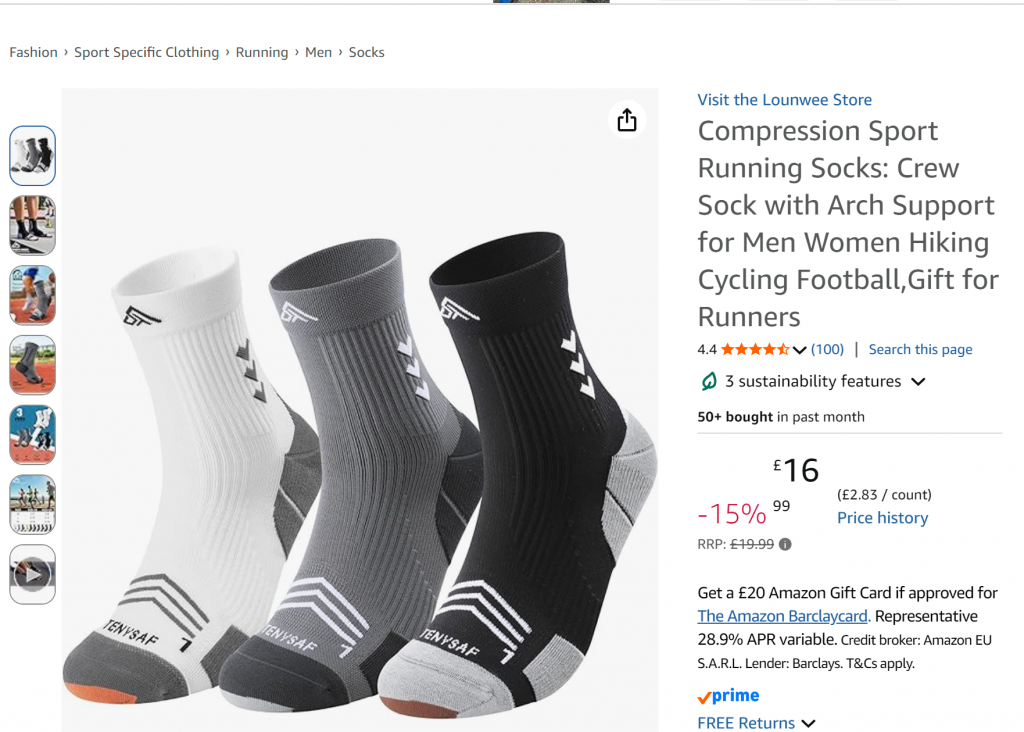
I started collecting product titles from Amazon.
I noticed that many of them:
- are very long
- repeat similar words
- mix different language styles
- do not follow normal grammar
They feel unnatural, but still understandable.
3. Classification
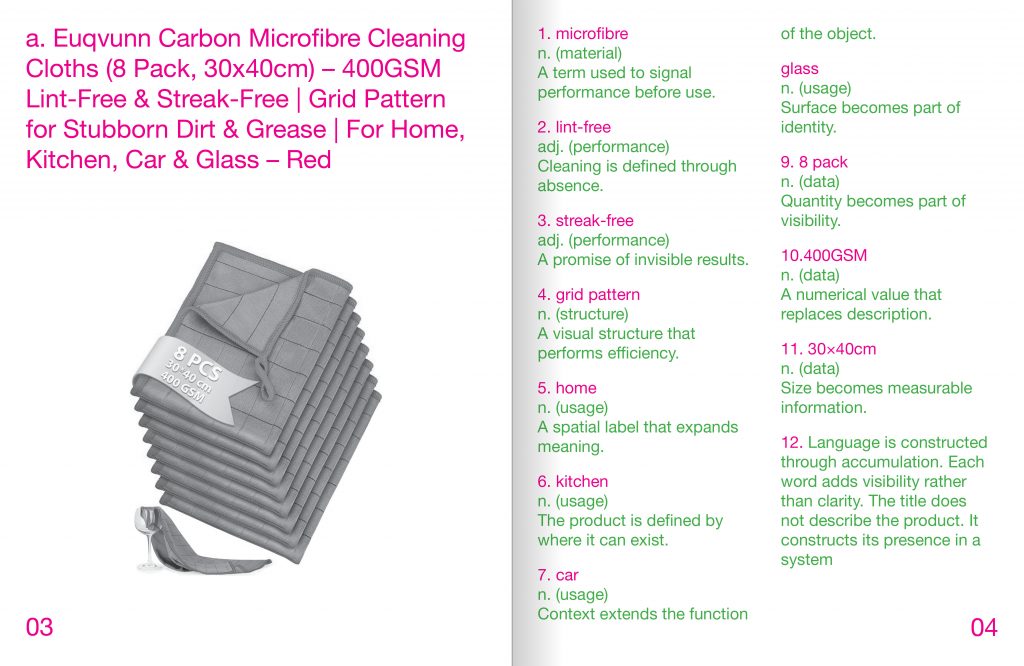
a. Language Expansion
This pattern shows how language expands through accumulation and repetition.
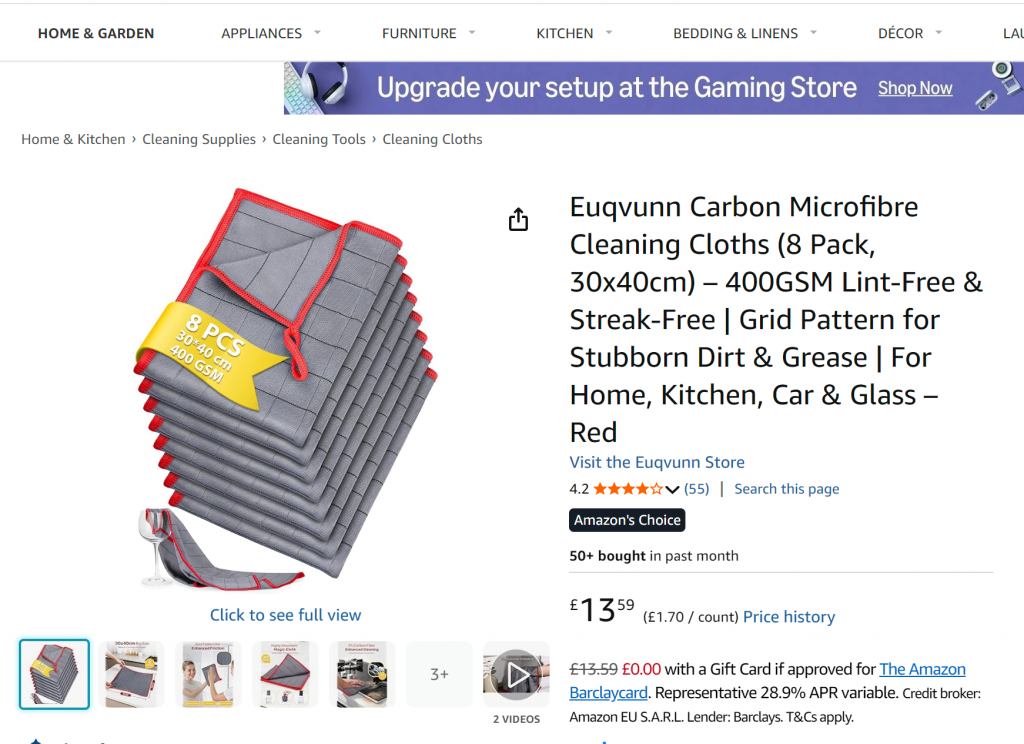
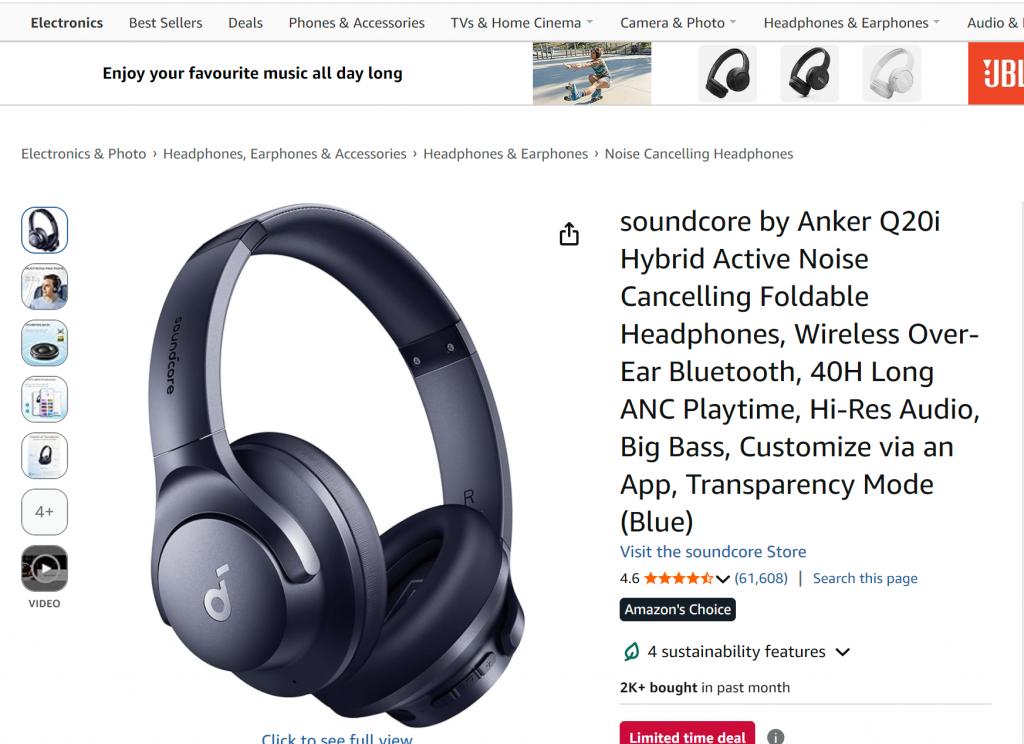
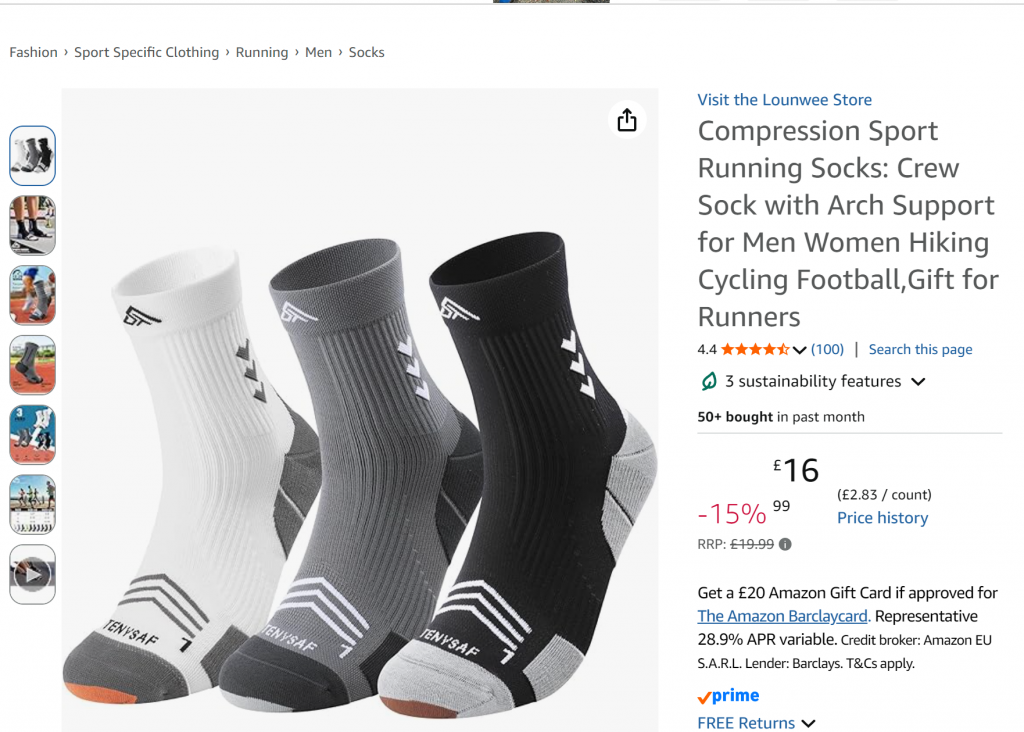
Words are added continuously to describe more features, users, and situations. This often results in very long titles.
Examples include:
- cleaning cloth (multiple functions)
- headphones (many features combined)
- socks (men / women / different uses)
In this case, meaning becomes less precise, but more visible.
b. System Language
This pattern shows how language is shaped by technical and algorithmic systems.
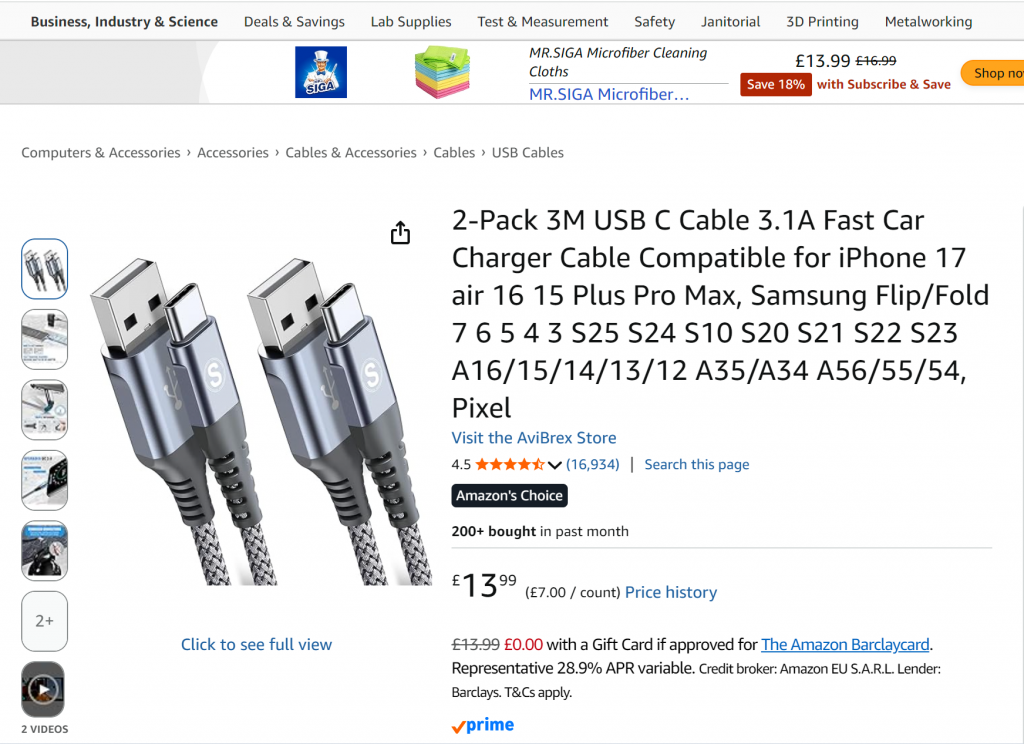
Instead of natural sentences, titles become structured like data. They include numbers, specifications, and brand names, or follow search logic.
Examples include:
- cables (numbers, models, brands)
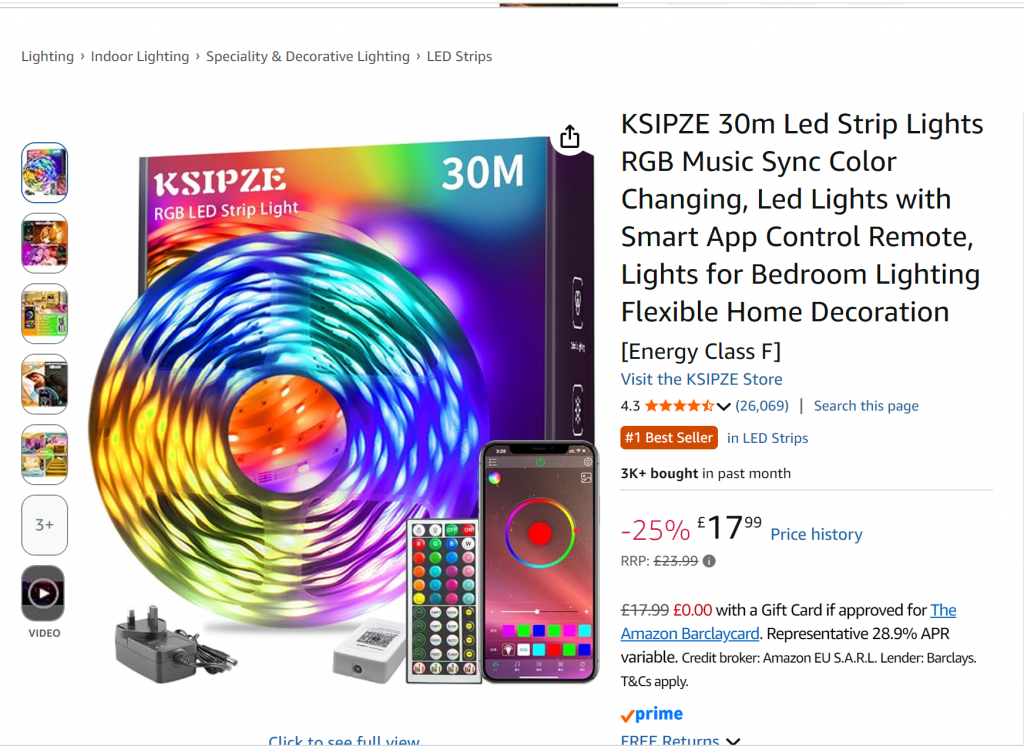
- LED lights (fragmented phrases, system logic)
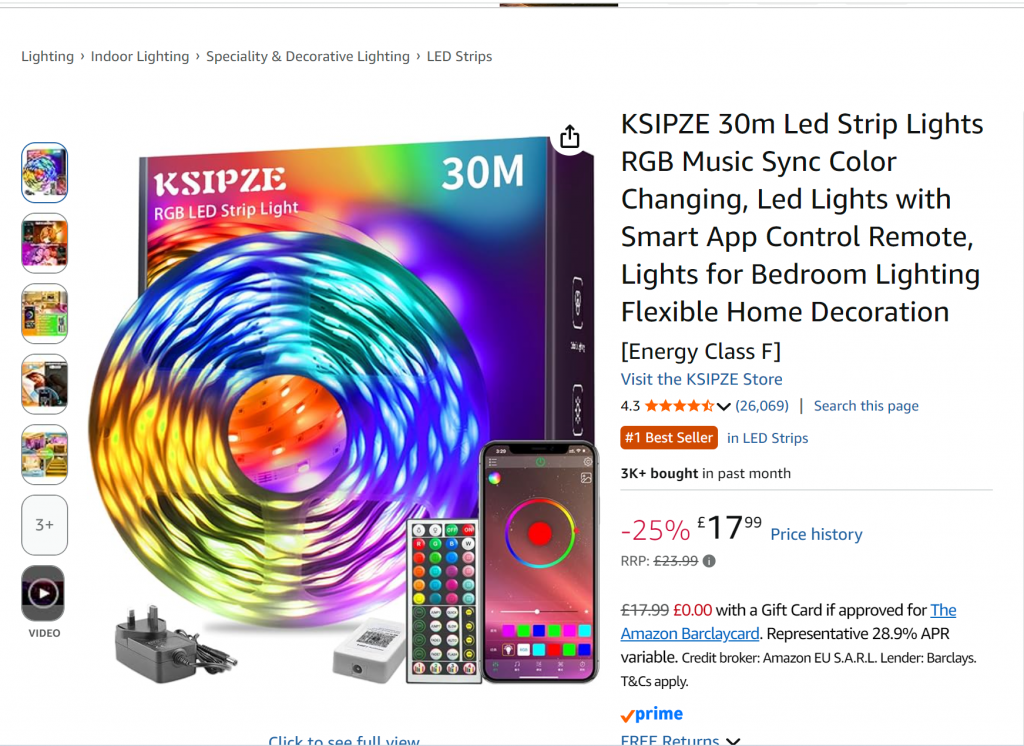
Here, language is not written for readability, but for system performance.
4. Understanding the system
I began to think about why these titles look like this.
They are not written only for people.
They are also written for algorithms.
In this system:
- more keywords = more visibility
- repetition helps search
- clarity becomes less important
So language is shaped by the platform.
5. Reference and Method
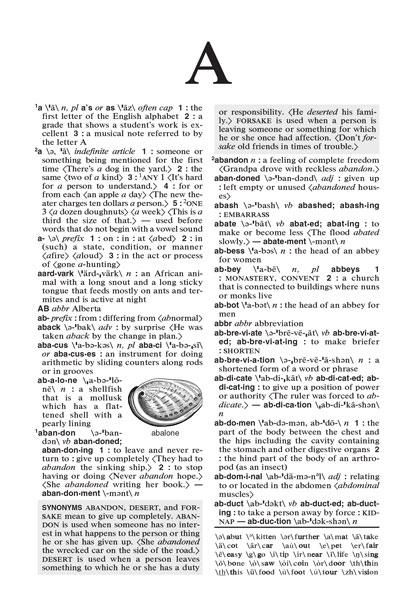
To understand this type of language, I refer to the structure of a dictionary.
A dictionary usually explains words clearly, through classification and definition. It organises language into a system.
In this project, I use this structure as a method. Instead of explaining normal words, I use it to describe Amazon product titles.
This allows me to reinterpret algorithmic language through a familiar system.
6. Visual exploration
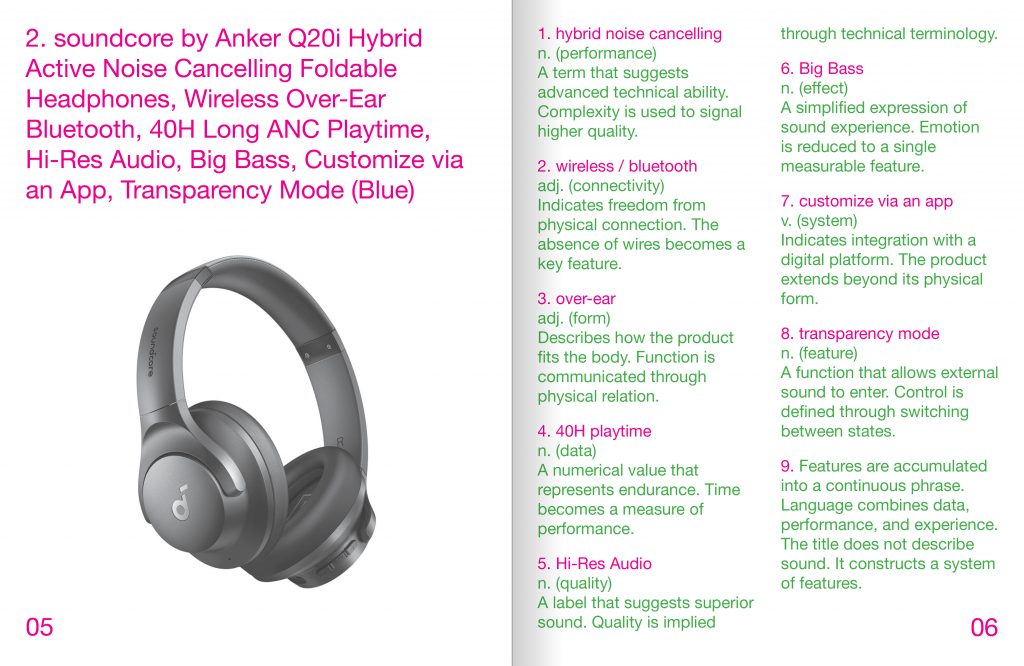
Week2&3
1. Understanding Amazon title structures
As the project developed, I became less interested in the products themselves and more interested in the structure behind Amazon titles.
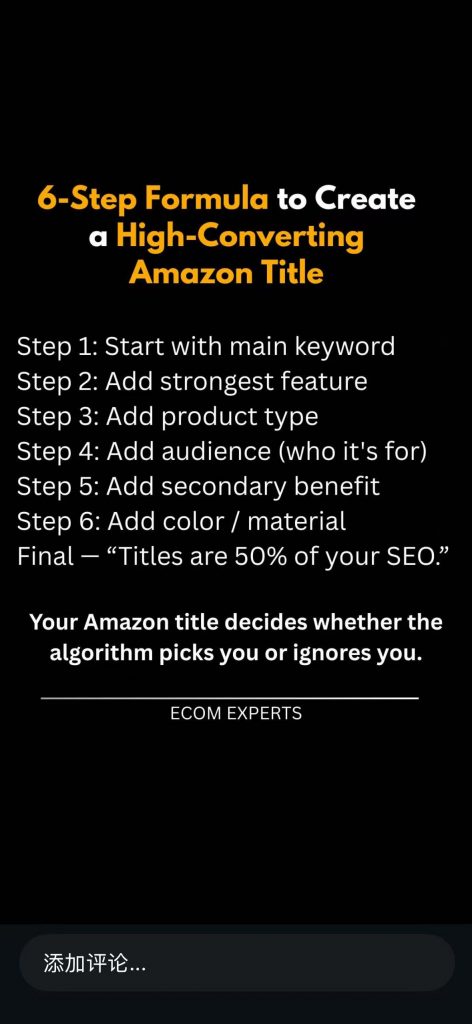
While researching online selling systems, I found guides explaining how to build “high-converting” Amazon titles through searchable keywords and optimisation strategies.
One example described a title-building formula:
2. Language shaped by visibility
This made me realise that many Amazon titles are not written naturally. They are constructed systematically for algorithms, visibility, and SEO performance.
Language becomes modular and expandable.
Instead of describing objects clearly, titles accumulate searchable fragments in order to increase discoverability.
3. Generating impossible product entries
Rather than collecting existing product titles only, I started collecting words that normally could not become products.
Many of these words came from atmosphere, emotion, environment, or abstract conditions, such as:
- AIR
- ASH
- SILENCE
- VOID
- MEMORY
- SHADOW
- DISTANCE
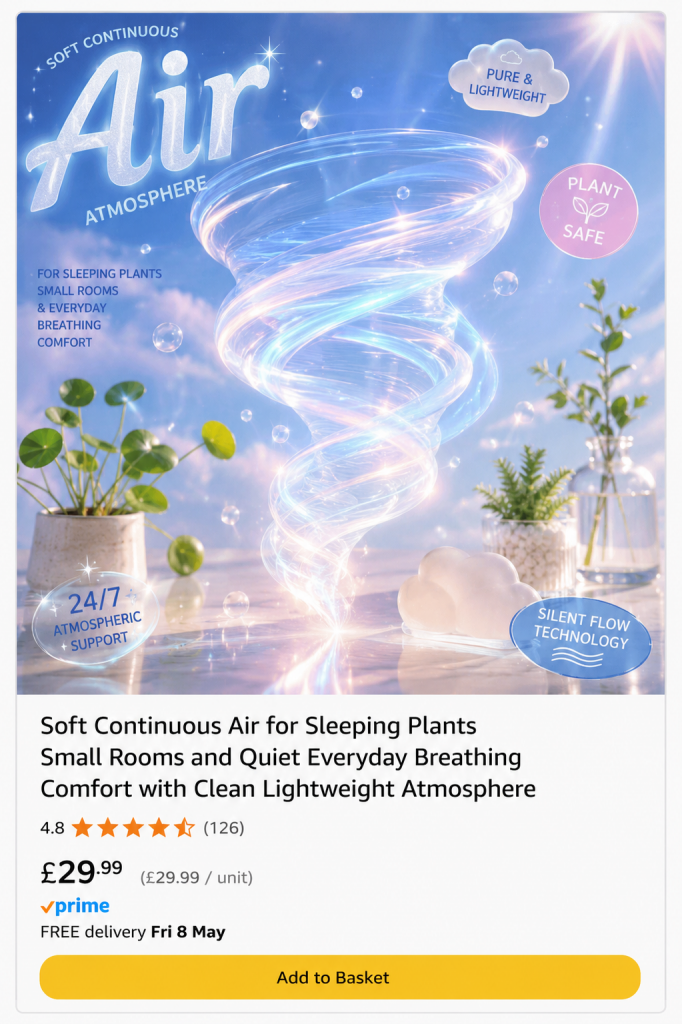
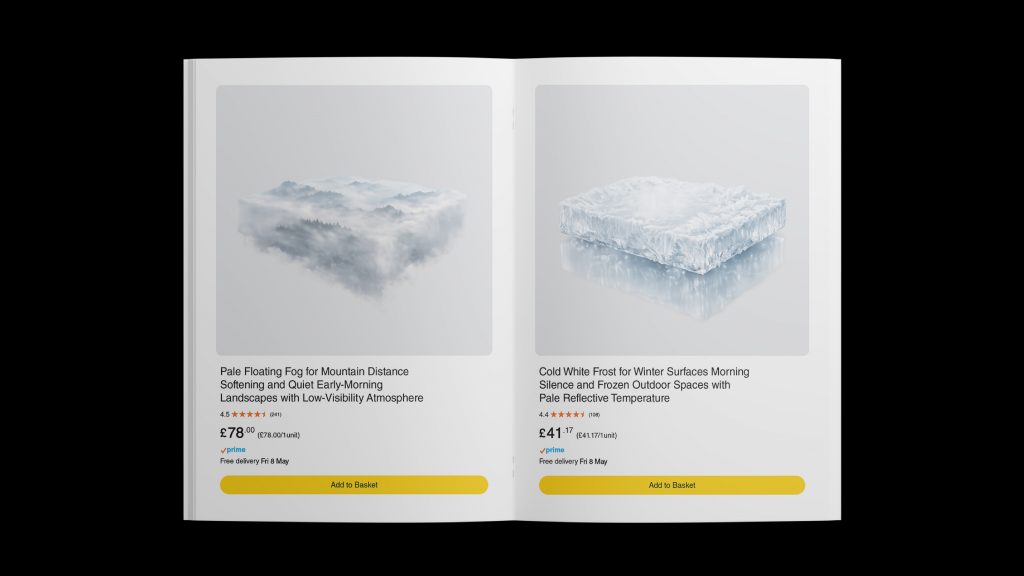
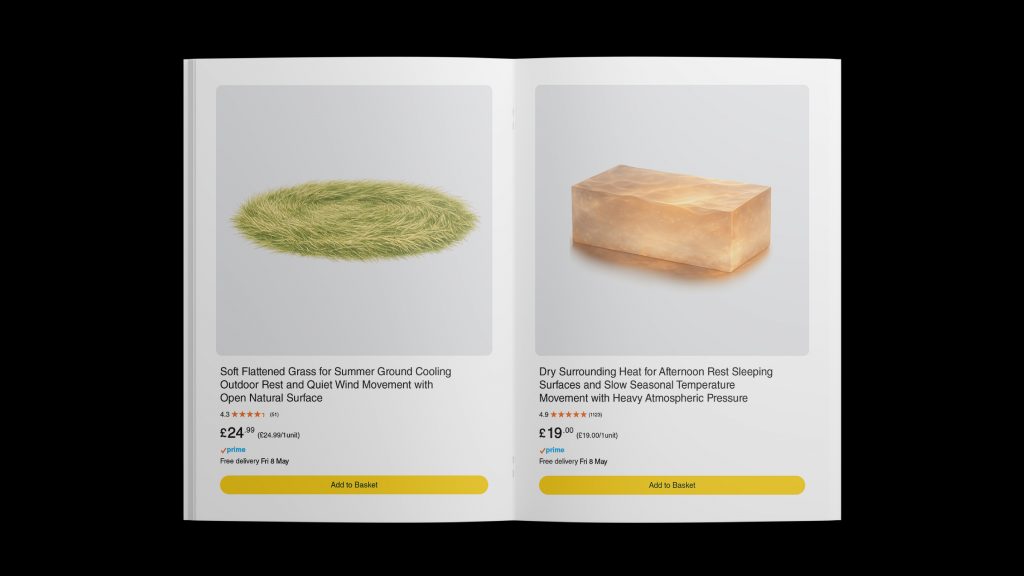
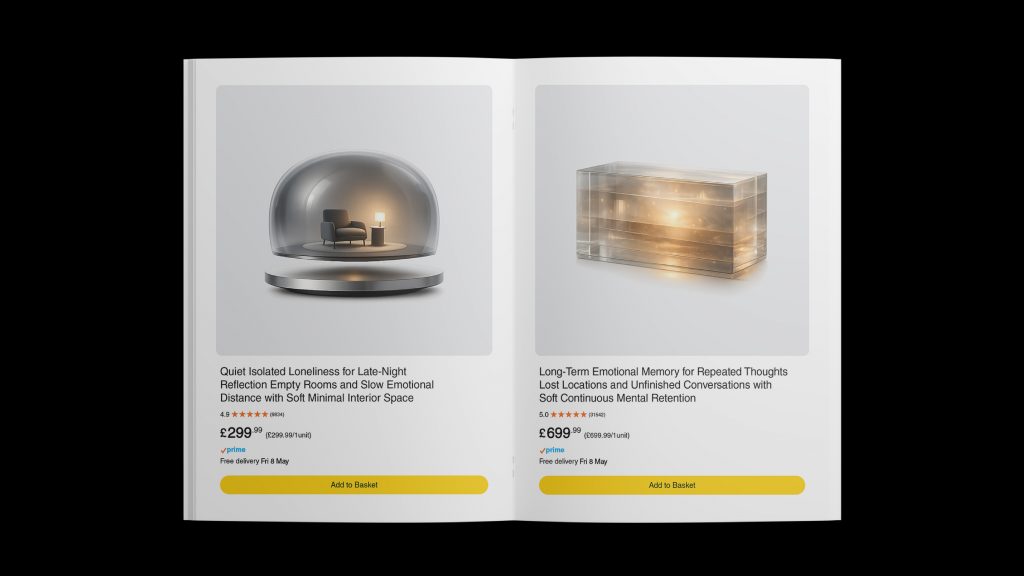
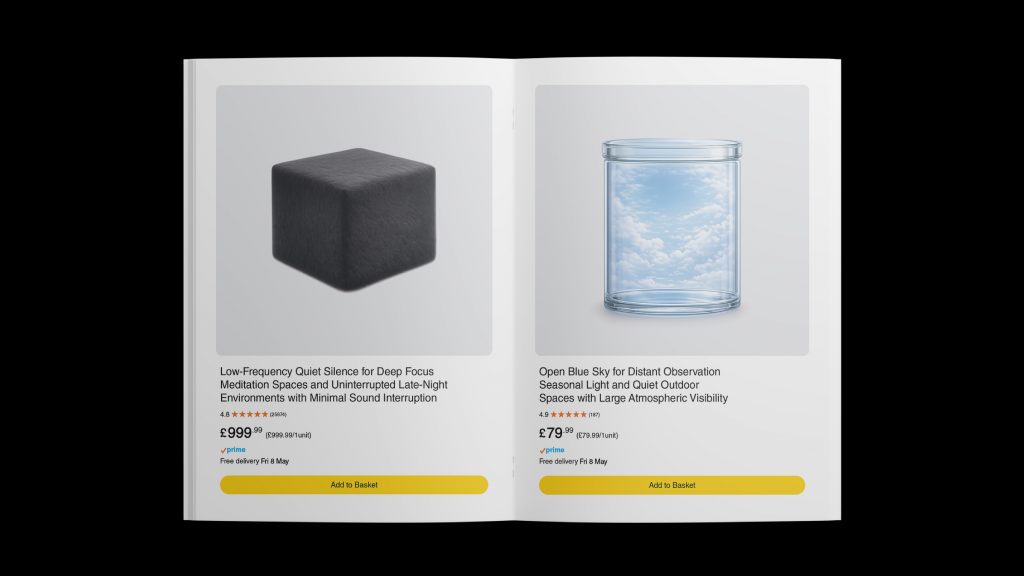
I became interested in what would happen if these words were inserted into Amazon’s title-generation logic. Using the same structure of searchable keywords, modifiers, and optimisation strategies, I started generating impossible product listings.
For example:
AIR became: “Soft Continuous Air for Sleeping Plants Small Rooms and Quiet Everyday Breathing Comfort with Clean Lightweight Atmosphere.”
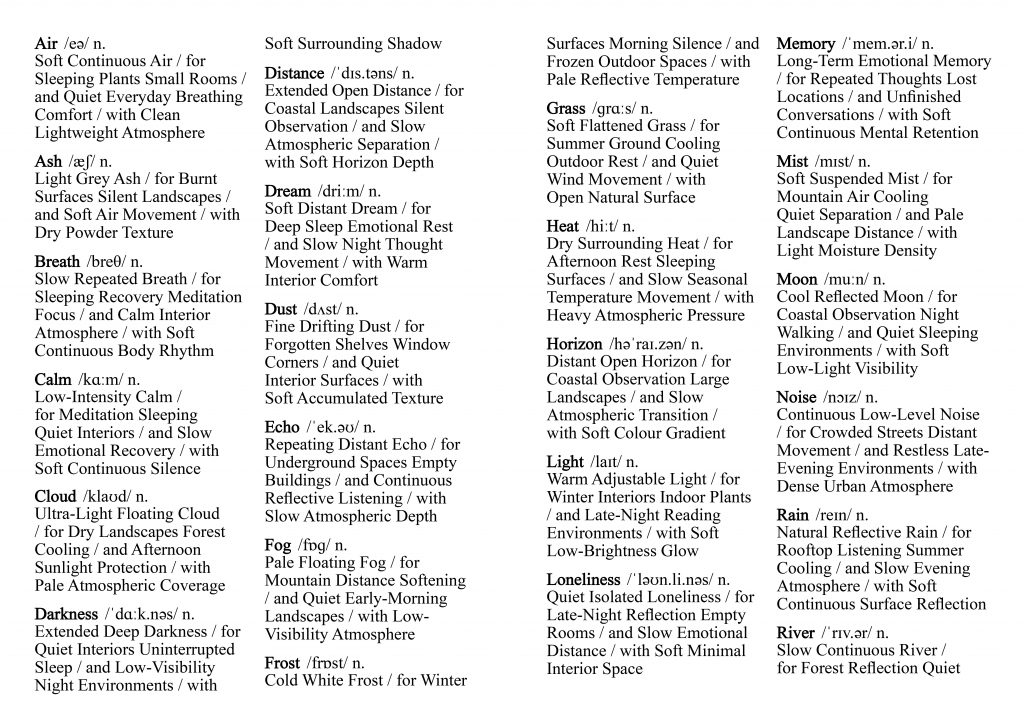
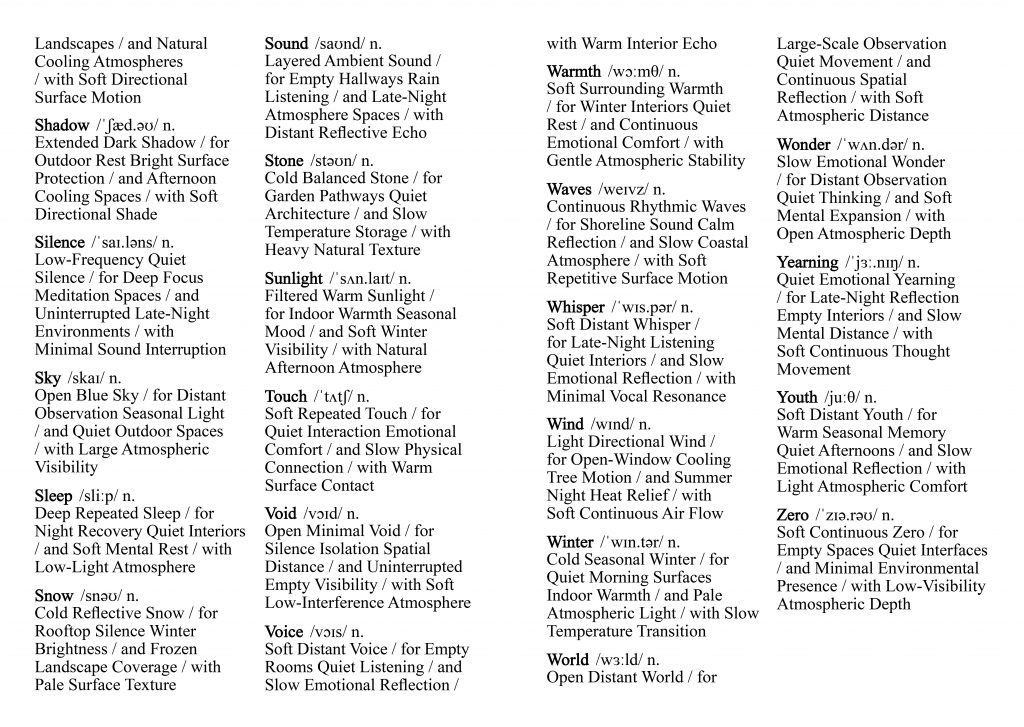
The titles imitate the structure of Amazon optimisation systems, but the products themselves do not fully exist.
At this stage, the project shifted from analysing platform language to reconstructing it as a speculative system.
4. From dictionary to shopping catalogue
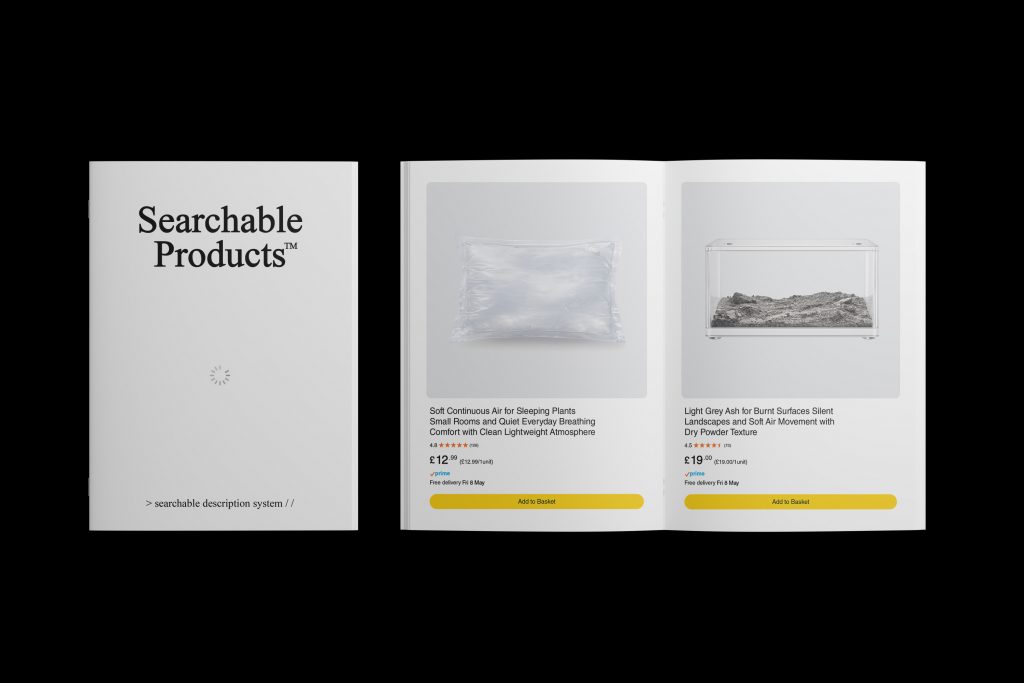
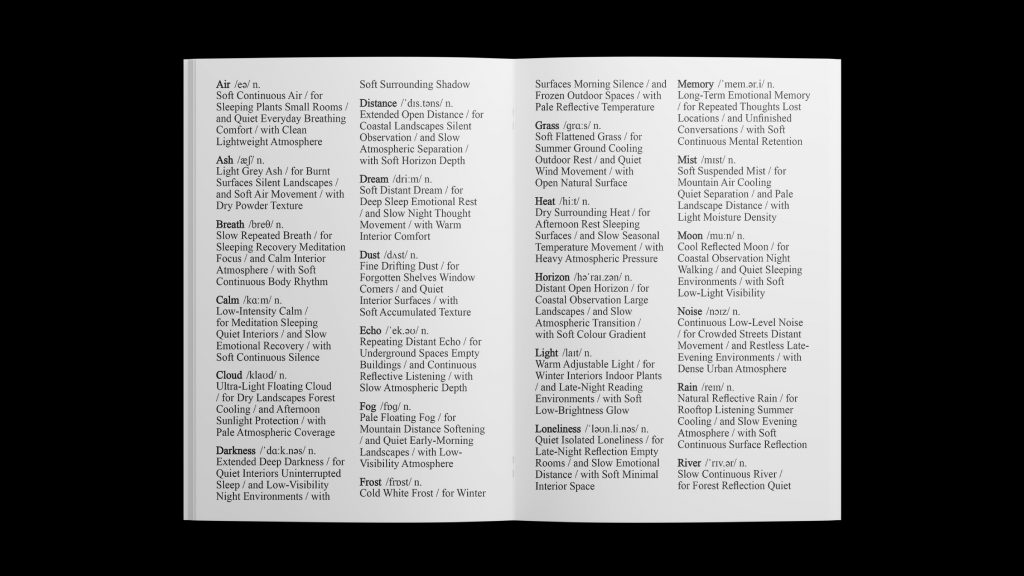
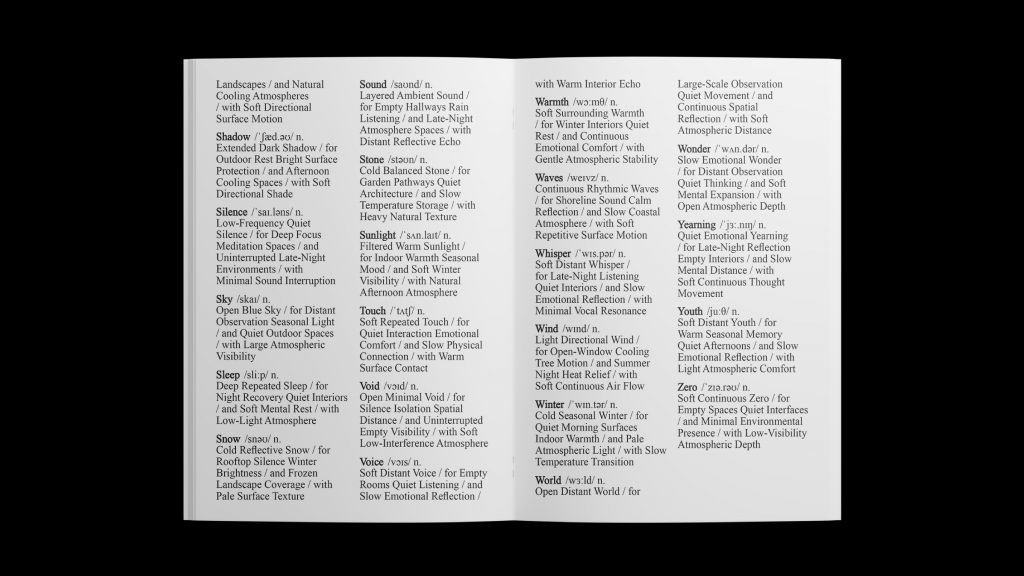
The publication combines two structures:
- the dictionary
- the shopping catalogue
The contents page functions like a dictionary index organised from A–Z, while the inner pages imitate commercial shopping layouts with:
- product images
- ratings
- prices
- searchable descriptions
This creates a tension between definition and commodification, where ordinary words slowly transform into searchable products.
To construct the visual system, I used AI image generation to create speculative product images for each atmospheric word. Instead of generating realistic commercial products, I focused on creating ambiguous objects that sit between:
- commodity
- atmosphere
- emotional condition
- environmental material
The prompts were written using the same logic as Amazon product titles, combining searchable modifiers, emotional descriptions, and functional phrases.